A Short History of the Art Toy
Art toys began as customised vinyl in 1990s Hong Kong. Here is how a subculture became a market and where collectors are heading next.
If you are asking where the art toy came from, the short answer is Hong Kong, around 1999, and a handful of artists who wanted to make objects instead of posters. In about twenty-five years the idea moved from street culture to gallery walls and auction rooms. The history explains why some pieces hold their appeal and others fade.
Where did art toys begin?
The usual starting point is Hong Kong in the late 1990s. A young artist named Michael Lau began making twelve-inch figures dressed in streetwear. They looked like the kids he saw around him, with sneakers, caps and loose clothes. He called the series Gardener.
Lau did not invent the action figure. He changed who it was for. The figures were not made for children and they did not represent a film or a cartoon. They were character art, made by one person with one point of view.
Japan was already close by. Japanese toy makers had a long tradition of vinyl figures, and Tokyo collectors were used to buying objects made in small runs. Hong Kong supplied the artist-led idea and Japan supplied the craft habit. The two met in a scene that had no name yet.
That scene soon got one. Collectors and writers began to call it urban vinyl, a phrase that captures the material and the city streets it grew from. Vinyl was cheap, it held fine detail, and it took paint well. An artist with a good drawing could turn it into a three-dimensional object without a factory budget.
How did the movement spread beyond Hong Kong?
The early 2000s were the spreading years. Hong Kong makers began producing small vinyl figures that artists could customise. These were blank forms. A painter would cover one in their own pattern and the same body became a hundred different objects.
In New York, a company called Kidrobot opened in 1999 and began working with artists on limited runs. Its approach was simple and powerful. It treated a toy like a record release. A named artist, a small run, a clear date. Collectors lined up.
Online forums did the rest. In those years you could not see a new release in a shop window unless you lived in the right city. Collectors traded photographs, swapped news and shipped figures across oceans. A scene that began in a few Hong Kong studios became global without a single large advertising campaign.
This is worth noting if you are weighing a purchase today. The first wave of the art toy was driven by artists, not by marketing. The pieces people still talk about were the ones where a clear creative voice came first. Our guide to what makes a collectible valuable goes deeper on why that pattern keeps repeating.
When did art toys become fine art?
The turning point came when serious artists began to treat the figure as a legitimate form. The Japanese artist Takashi Murakami had already built a reputation with sculptures and paintings that borrowed from anime and toy culture. His work blurred the line between a collectible and a gallery object, and it did so on purpose.
When a luxury house put Murakami on its handbags in the early 2000s, the message was clear. The visual language of toys and cartoons was no longer a niche. It belonged in the same conversation as painting.
Galleries followed. Exhibitions began to show figures beside canvases. Museums collected them. Critics argued about whether a vinyl figure could be art, and the argument itself helped the category. Once people debate whether something is art, they have already started to take it seriously.
None of this made every toy valuable. It made the best work visible to people with larger budgets. A collector who would never have walked into a toy shop was now looking at a figure under gallery lights, with a price card beside it.
How did a subculture become a market?
Three things changed in the years that followed.
First, scale. The small runs of the early days gave way to wider releases. Some makers found that a surprise element sold well. A buyer would pick a sealed box without knowing which figure was inside, and the thrill of the unknown became part of the product. That model pulled in millions of new buyers who had never heard of Hong Kong or urban vinyl.
Second, resale. As interest grew, so did the secondary market, where collectors sell to each other. Prices on rare figures began to move. Some climbed far above the original price. Others dropped to nothing once the excitement ended. Anyone who tells you that every art toy appreciates is selling something. Our piece on whether designer toys are a good investment takes a sober look at which ones tend to hold up and why.
Third, the auction houses. Major auction houses now hold sales that include designer toys and figures, usually beside contemporary prints and editions. This matters less for the headline prices than for what it signals. A category that auctioneers are willing to catalogue is a category with a documented history, condition standards and a real base of buyers.
The market now holds two very different things under one name. One is the mass-produced collectible, made in large numbers and priced for impulse. The other is the scarce, carefully made object bought by someone who cares about provenance and finish. They share a history. They do not share a logic.
What separates a lasting piece from a passing trend?
Look back across the whole history and the same few traits keep appearing in the pieces that lasted.
The first is a strong, singular character. The figures that people still seek out have a point of view you can recognise from across a room. A good design survives changes in taste because it was never chasing taste.
The second is honest scarcity. A small run is only meaningful if the maker keeps to it. Collectors learned, sometimes painfully, that a limited edition that keeps growing is not limited. We cover this in more detail in what limited edition really means.
The third is the quality of the object itself. Early vinyl figures were well made for their price, but the price was low. As collectors grew older and wealthier, they began to ask for more. Better paint. Better stitching. Better materials. They wanted the object to feel as serious as the price.
The fourth is paperwork. A collector who cannot prove what they own cannot resell it with confidence. The pieces that kept their value almost always came with clear documentation from the maker.
Where does the art toy go next?
The most likely direction is a split. The mass market will keep growing, and it will keep producing the occasional surprise hit. At the same time, a smaller group of makers is moving the other way, toward fewer pieces, finer materials and a closer relationship with each buyer.
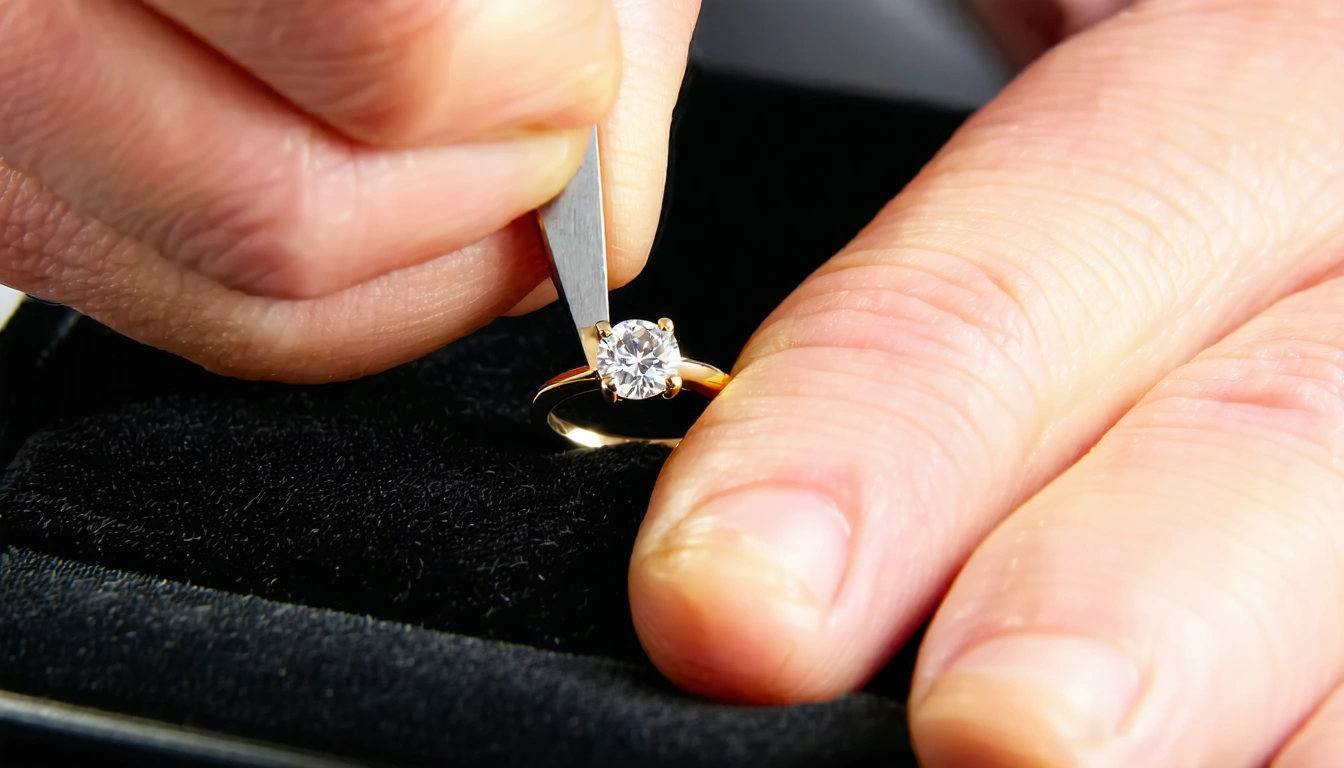
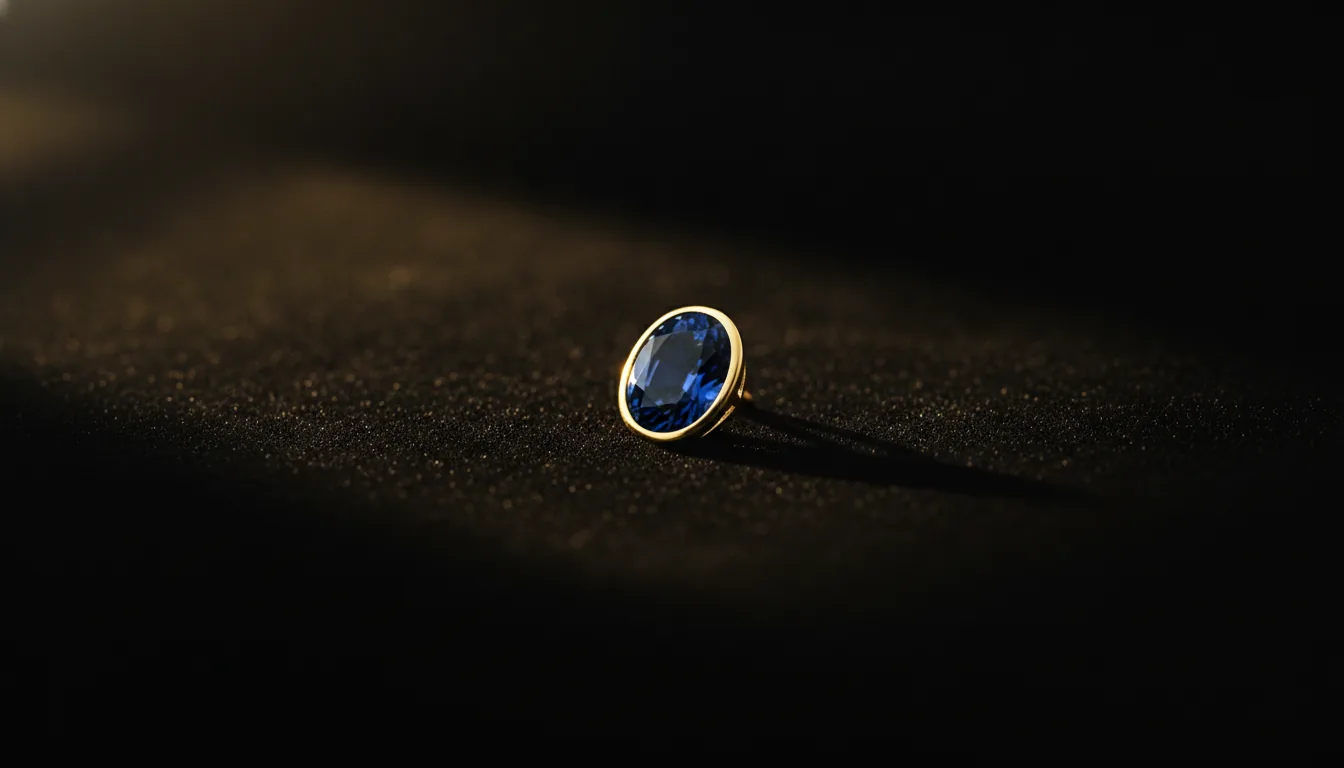
You can already see it in the details. Gold and natural gemstones are appearing on figures that began life as soft, playful characters. Lux Monsters sits in that second camp, with hand-finished bodies carrying solid 18K gold settings and natural gemstones, each piece individually numbered and supplied with a signed certificate of authenticity. The aim is not to compete with the mass market. It is to ask what happens when a collectible is made with the care of fine jewellery. Our note on why luxury materials belong on collectibles sets out that reasoning in full.
Whether that path lasts is for the next decade to decide. Collectors are patient and they are well informed. They will judge the work on the object in their hands, not on the story told about it.
That has always been the test. A vinyl figure in a Hong Kong studio in 1999 passed it because someone made it with conviction. The same test applies now, at any price, and it will apply in twenty years.