Why Luxury Materials Belong on Collectible Figurines
The designer toy market crossed 15 billion dollars. Yet the top tier of that market was empty. Here is why that changes now.
For a decade the designer toy world borrowed the language of luxury without ever touching its materials. Rare drops, numbered editions, auction-house catalogues, waiting lists. All of it wrapped around vinyl and resin. The cultural weight moved ahead of the craft. The craft never caught up.
You can feel the gap when you hold a sold-out figure that traded for five thousand dollars on secondary. The object itself has nothing to do with that number. The number lives in the story, the scarcity, the room you bought it in. The piece is a receipt for a moment. That is not a criticism of vinyl. Vinyl built the category. It is simply where the ceiling sits, and the ceiling is lower than what collectors now want to spend.
The market grew up
The designer toy market crossed fifteen billion dollars in 2025. For context, that is roughly the size of the global artisanal chocolate industry, and larger than the worldwide luxury pen market. A category that started with blind boxes at Comic Con now sits inside contemporary art fairs, private client showrooms, and Christie’s evening sales.
Scale brings a new kind of buyer. The person who spent three hundred dollars on a Bearbrick in 2018 is, in 2026, comfortable allocating five to fifteen thousand dollars to a single piece. That buyer also owns a watch from a small independent maker, a vintage Hermès piece, and art that required a conversation with a dealer before purchase. They know what real craftsmanship feels like in the hand. They can tell.
And when they pick up most high-end art toys, they notice the lie. Painted gold instead of gold. Printed stones instead of stones. Weight that does not match the price. The secondary market has priced these objects like luxury for years. The objects themselves have not met the description.
What luxury collectible figurines actually require
Luxury is not a look. It is a bill of materials. A Hermès Kelly is not luxurious because of the shape. It is luxurious because of the leather, the stitching, the hardware, the time it takes a single craftsperson to complete it, and the refusal to cut any of those inputs. Remove any one of those and the shape is just a shape.
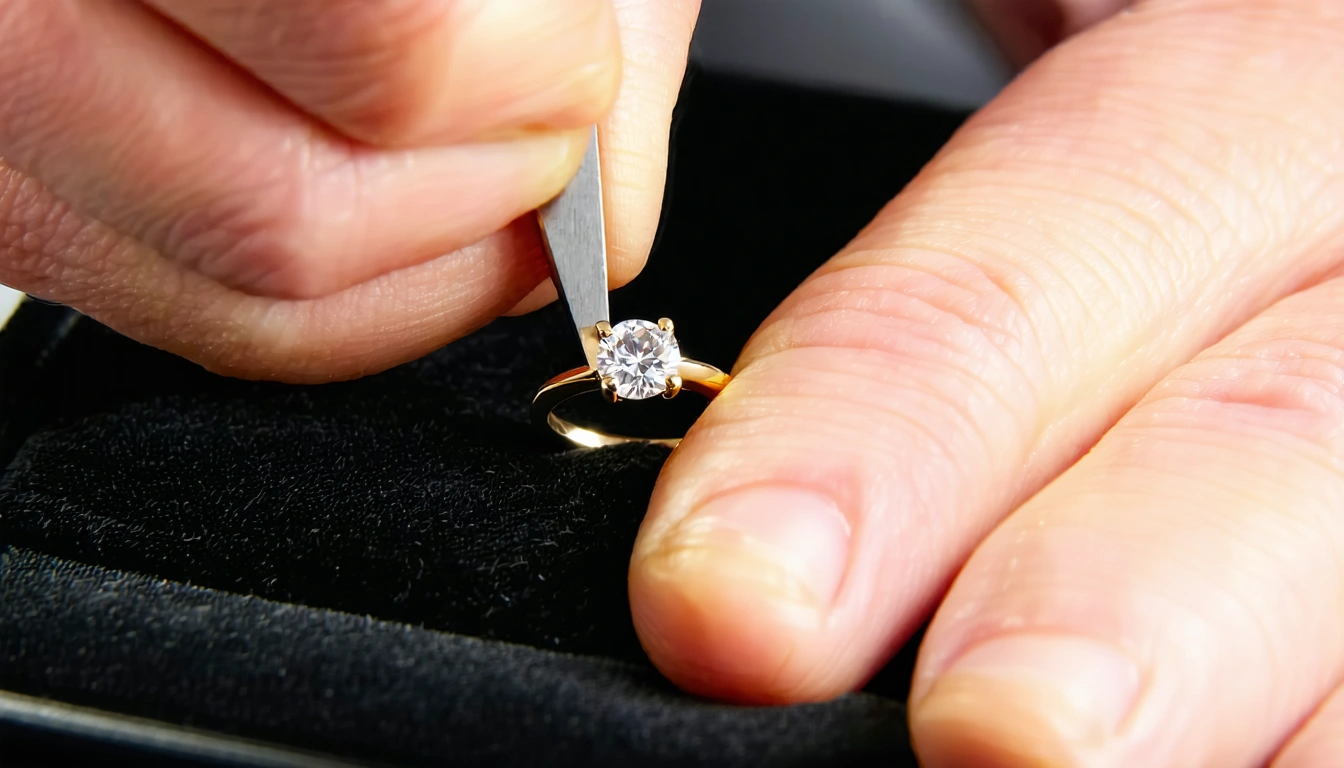
The same test applies to luxury collectible figurines. A 12 centimeter plush figurine can absolutely sit at the top of a collection, but only if the inputs defend the position. That means real metal. Real stones. Real weight. An 18K gold bezel that locks into the face and holds a gem with the same tolerance a jeweler would use for a ring. Certification. Provenance. A box that feels correct when you lift the lid.
Anything less than this is branding. Branding has its place, but it cannot carry a four thousand dollar price tag into the second decade of ownership. Materials can.
Why gem encrusted collectibles read differently in person
There is a specific physical experience with real gems set into a soft object. Your eye sees something it has been trained to see only in fine jewelry, fixed to something it has been trained to see as a toy. The brain resists. Then it gives in. Then the object stops being a toy at all.
This is the effect Cartier has worked with for a century. Take a serious material, set it into a surprising context, and the object gains a kind of quiet disobedience. A panther covered in pavé diamonds is not a cat. It is a statement about what a cat is allowed to be. The same logic works on a creature with fur and a gold fang.
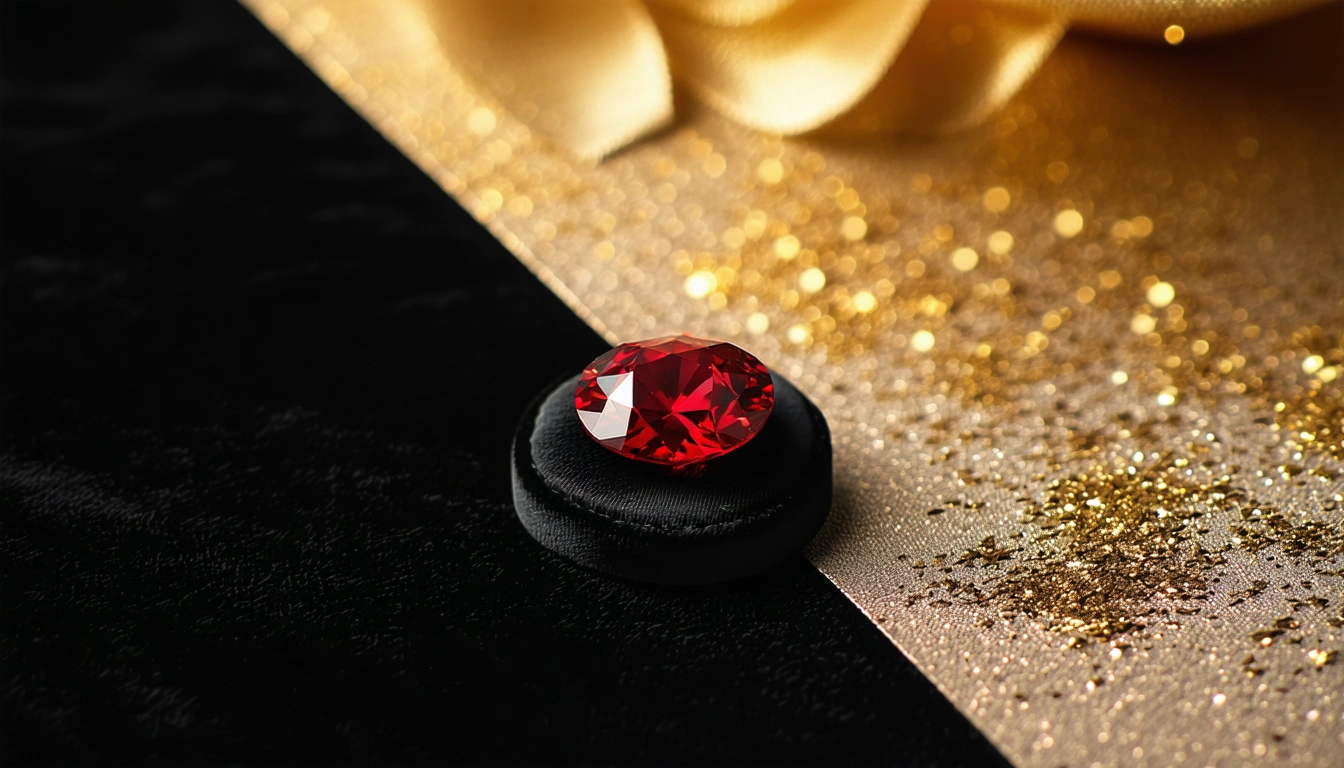
Real gems also behave differently on camera and under light. A printed stone looks flat from the first frame. A real ruby pulls red out of a dim room. You do not need to explain this to a serious collector. They open the box and they already know.
The empty top tier of the art toy market
Walk the aisles at any major toy or collectible fair and look for the pieces priced above three thousand dollars. You will find hand-painted one-off sculptures from named artists. You will find vintage grails that appreciated into the range rather than starting there. What you will not find, or at least not in any consistent way, is a current brand that built its top tier around actual precious materials from the start.
This is unusual. Every other luxury category behaves the opposite way. Watches have Patek Philippe at the top and Swatch at the bottom. Leather goods have Hermès at the top and high street at the bottom. Wine has first growth Bordeaux at the top and supermarket bottles at the bottom. In each case the top is defined by input cost and craft, not by marketing. The bottom fights over marketing.
Art toys inverted this for a generation. The top was defined by story and scarcity, not by what the object was made of. The reason was partly practical. Working with real gold and real stones on a plush or vinyl form requires a very specific supply chain. Most studios did not have it. Most still do not.
Scarcity without materials is a magic trick
You can sell a plastic figure for ten thousand dollars once. The story, the drop mechanic, the hype cycle. It works. The second owner often pays more. The third sometimes does too.
Then the next edition lands, and the old one cools. The story was always the product. When the story moves, the object has nothing left to hold value with. This is why designer toy portfolios look so different from fine jewelry portfolios. One decays when attention moves. The other holds when attention moves, because the material is still the material.
A scarcity claim supported by real gold, real diamonds, real rubies, and a run of three pieces in the world works differently. The object does not need the next drop to stay relevant. It sits on its own. A collector who bought it in 2026 can open the box in 2046 and meet the same thing. That is the quiet definition of a luxury collectible. The object outlasts the moment of purchase.
Fewer pieces, more meaning
The volume game is the wrong game at the top. A brand that produces a small, numbered edition and then stops is making a different promise than a brand that produces five thousand. The first is closer to a watchmaker. The second is closer to a consumer product company with a good release schedule.
Lux Monsters produces small, numbered editions. At launch, the €1,500 editions are available for direct purchase, with higher editions and a signature flagship piece offered by private request. Every piece is individually numbered. No restock. If you miss an edition, it is gone. You wait for the next one, or you find a collector who is willing to part with one.
A small edition is a choice, not a constraint. It is small enough for every buyer to own a meaningful share of the edition, large enough to seed a community that can talk to itself, and small enough that every piece can be finished to a standard that would be impossible at scale.
What comes next for luxury art toys
The next ten years of luxury art toys will look like the last twenty years of independent watchmaking. A few brands will commit to real materials and real editions. Most will not. Collectors will sort the market quickly. The brands that stayed on vinyl will keep their place in the category, and the brands that crossed into fine materials will define a new one.
It is not complicated. The buyers are already here. They already spend at this level in other categories. They have been waiting for an art toy brand to take the same inputs seriously. The pieces at the very top of a collection should feel like they belong in a collection of watches or fine jewelry. Not next to it. Inside it.
That is the case for gem encrusted collectibles. Not as a novelty. As a category correction. The top tier of this market was empty for too long. It will not stay empty much longer, and what fills it will not look like what came before.