What Actually Makes a Collectible Valuable
Five factors decide whether a collectible holds value over decades. Scarcity, materials, provenance, authentication, cultural moment.
Most collectibles lose value the moment they leave the shop. A handful gain it, decade after decade. The difference is not mystery. It is a short list of factors that serious collectors learn to read before they buy.
You can apply the same framework to a watch, a painting, a sculpted figure, or a bottle of Burgundy. The categories change. The logic does not.
Scarcity That Is Real, Not Marketed
Scarcity is the factor everyone claims and few actually have. A brand can write “limited edition” on a box and produce 50,000 of them. That is not scarcity. That is marketing.
Real scarcity has three traits. The total production number is small and known. The number cannot be raised later. And the objects themselves survive in even smaller numbers because owners use them, break them, or refuse to sell.
The Patek Philippe Nautilus 5711 is the textbook case. Production was never enormous. Patek discontinued the reference in 2021 with no warning. Secondary prices doubled within weeks. Not because the watch changed. Because the supply line closed permanently.
KAWS OG Companion figures from the early 2000s work the same way. Takashi Murakami called early runs “production experiments”. The numbers were genuinely small. Most were handled, displayed, damaged. What remains is thin on the ground.
Lux Monsters editions are numbered limited runs. Each piece is individually numbered, the size of each run is set by what the workshop can make by hand rather than by a marketing target, and once an edition is complete the house does not reopen it under any pressure. The next edition is a different set of characters, with its own fixed numbers, released roughly every two months.
Materials That Age With Authority
The second factor is what the object is made from. Cheap materials date. Good materials pick up character. Rare materials hold value against currency.
Gold is the obvious example. A sculpted figure with 18K gold elements does not oxidise, fade, or yellow. Fifty years from now the gold will be the gold. Painted plastic will not be painted plastic.
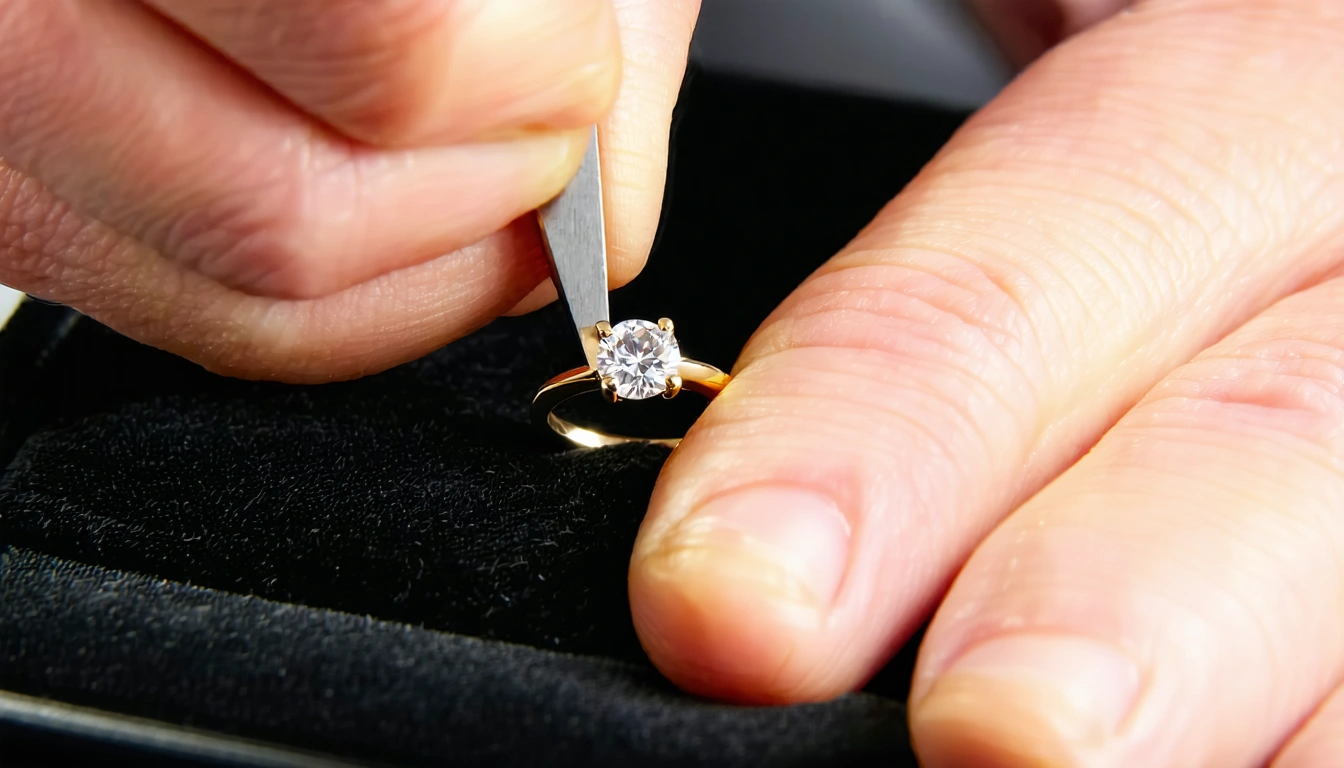
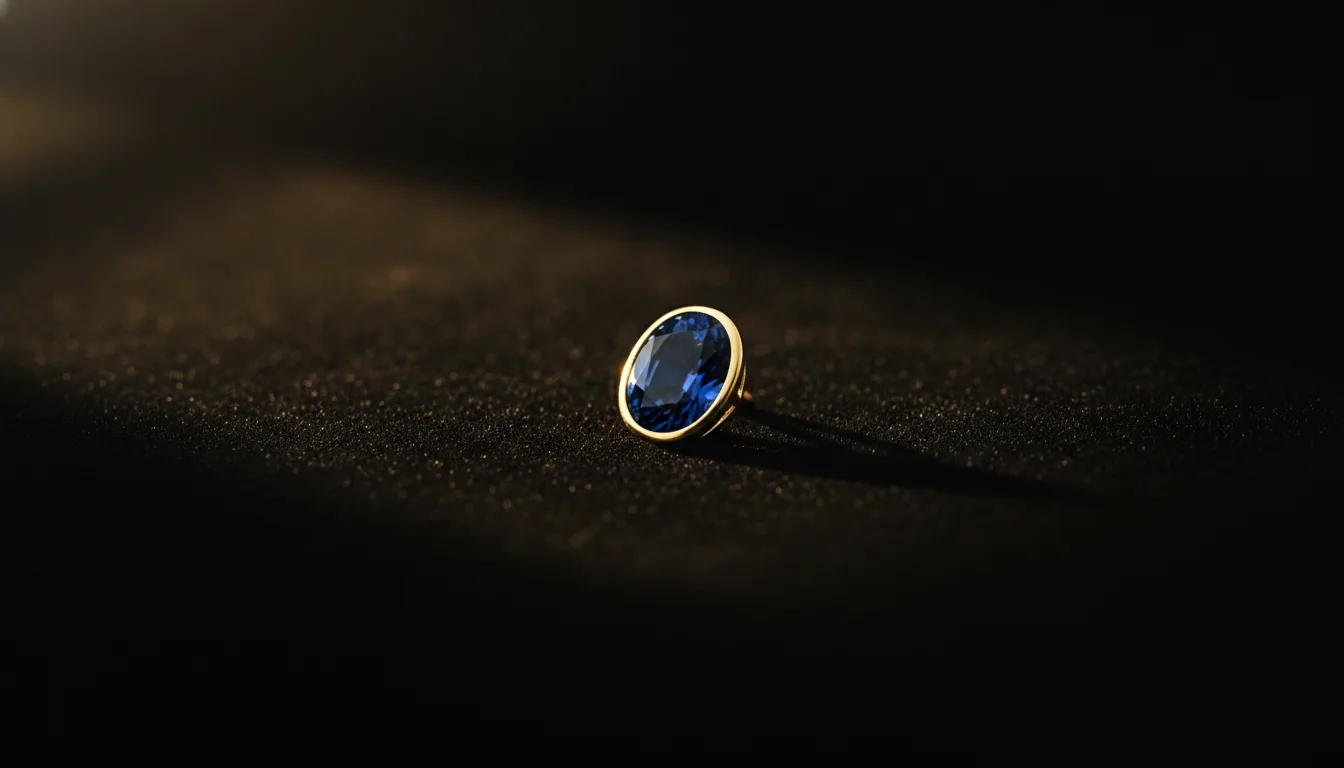
Gemstones behave the same way. A natural diamond carries a value floor that has nothing to do with the object it sits on. A ruby certified from a clean origin holds market value across decades. Sapphires in museum-grade settings survive being handled, dropped, stored badly, and still test the same.
This is why a Basquiat on linen still commands auction prices and a poster of the same image costs forty euros. The support material is part of the artwork. The same logic applies to collectibles.
On Lux Monsters pieces the materials are literal. Solid 18K gold settings. Natural diamonds on CaratCry. Natural rubies on RubyRuin. Natural sapphires on Mint Slime. These are assets embedded in the figure. If the brand disappeared tomorrow the materials would still be worth what materials are worth.
Provenance You Can Trace
Provenance is the paper trail. Who owned the piece. When. What proof exists that it is the object it claims to be.
Wine collectors live and die on this factor. A bottle of Domaine de la Romanée-Conti 1990 with a continuous cellar record from release sells for one price. The same bottle pulled from a storage unit in Miami with no paperwork sells for a third of that. Same wine. Same vintage. Different story.
Watches follow the same rule. A vintage Rolex Daytona with the original papers, the original box, and service records from Rolex Geneva is a different object in the market than an identical watch with none of those. Collectors call the paperwork “the full set” and pay real premiums for it.
Art is even stricter. A Basquiat without exhibition history, gallery records, and a clear chain of title is almost unsellable at serious prices. The object is only as valuable as the story you can prove.
Every Lux Monsters piece ships with a signed certificate of authenticity carrying a unique serial number. The certificate records the character, the piece number, and the materials set for that edition. The paperwork stays with the piece and is what a future buyer relies on.
Authentication That Cannot Be Faked
Authentication is provenance for the object itself. Not the story around it. The physical object.
Counterfeits follow value. The more a category rises, the more convincing the fakes become. A collector who cannot authenticate is a collector betting on trust alone.
The art world uses catalogue raisonnés, foundation committees, and forensic analysis. The watch world uses serial numbers, movement inspections, and manufacturer databases. The wine world is now using tamper-evident capsules, smart tags, and bottle-level registry systems.
The toy world has lagged. Most art toys are easy to counterfeit because the materials are cheap and the finishing is not distinctive. An OG KAWS Companion is difficult to fake well, which is part of why the originals hold value. A generic designer figure with no authentication infrastructure is not a long-term asset.
Lux Monsters authentication rests on two things that travel together. A signed certificate of authenticity, and a unique serial number assigned to that individual piece. The number ties the physical object to its paperwork, and the paperwork carries the signature of the house. A fake object is always possible. A fake that also reproduces the signed certificate and matches a legitimate serial number is a far harder problem.
Cultural Moment
The final factor is the one people get most wrong. They assume cultural relevance is permanent once it arrives. It is not. It is cyclical, and it rewards the collectors who bought before the moment peaked.
Basquiat sold paintings for a few thousand dollars in the early 1980s. The cultural moment was there but not yet priced in. The collectors who bought then, and held, did extremely well. The collectors who bought at auction in 2017 after the 110 million dollar Sotheby’s sale paid for the moment at its peak.
KAWS Companion figures follow the same curve. Early 2000s buyers paid retail. By 2019 the secondary market was multiples higher. By 2023 prices softened as the cultural moment moved on to new names. The figures still matter. The curve is not a straight line up.
Patek Nautilus hit peak cultural moment around 2020 and 2021. Prices ran ahead of fundamentals. They have since corrected. The watches that hold their 2021 prices are the watches with the strongest fundamentals on the other four factors.
You cannot predict a cultural moment perfectly. You can read early signals. You can also buy objects that would hold value even if the moment never arrived, because the materials and the scarcity carry weight on their own.
Lux Monsters is a new house. The cultural moment is early. The collectors who buy the first editions at release are buying before the story is written. The fundamentals — small numbered editions, real 18K gold, real natural gems — mean the floor is set by the materials themselves. Anything the cultural moment adds from here is added value.
How The Factors Work Together
No single factor carries a collectible on its own. Scarcity without materials produces a rare object made of cheap stuff, which the market eventually discounts. Materials without scarcity produces a nice object there is no shortage of, which the market also discounts. A beautiful cultural moment attached to an object with no paperwork and no authentication is a liability the moment secondary buyers start asking questions.
The pieces that hold value across generations score on all five. The 1970s Paul Newman Daytona has tiny production (scarcity), gold and stainless steel (materials), owner records going back decades (provenance), Rolex archive confirmation available (authentication), and a story that keeps renewing itself (cultural moment). That is why Newman’s own Daytona sold for 17.8 million dollars in 2017.
A Basquiat on linen from 1982 with exhibition history, Annina Nosei Gallery provenance, and authentication from the artist’s estate hits the same five. Small output for that period. Archival canvas and oilstick. Gallery records. Foundation confirmation. A cultural moment that has widened, not narrowed.
The collectors who do well over twenty and thirty year horizons think in these five dimensions before they write a cheque. The collectors who lose money tend to buy on cultural moment alone and discover the other four were never there.
How To Read A Collectible Before You Buy
Use the five factors as a checklist. Do not buy on any single one.
Ask how many exist. Ask whether more can be made. Ask what the object is physically made of. Ask what paperwork comes with it. Ask how you would prove it is real in ten years. Ask whether the cultural moment is early, peaking, or past.
A collectible that scores well on four of five is usually a sound purchase. A collectible that only scores on cultural moment is usually a mistake waiting for the moment to pass. A collectible that scores on materials and scarcity alone, with weak paperwork, will trade at a discount to peers with a full set.
Spend ten minutes on each factor before you buy. Write down the answers. If you cannot answer three of them from the information the seller provides, the seller is not prepared to support the piece in the secondary market, and you will eventually pay for that gap.
The objects that stay valuable across decades tend to share the same pattern. Small real runs. Materials that do not degrade. Papers that travel with the piece. Authentication you can test. A story that keeps finding new audiences.
That is the frame you bring to Lux Monsters. The house was designed around it. Small numbered editions, retired when they sell out. 18K gold and natural gems, materially priced. A signed certificate and a unique serial number that travel with each piece. A story that is early, which is exactly where collectors want to be.
That is also the frame the house was built around. One edition at a time. Small runs. Real materials. Clean paperwork. Everything else is downstream of that.