Caring for Luxury Plush Collectibles
A practical care guide for owners of luxury plush collectibles. Cleaning, display, insurance, handling, storage, repair.
You just brought home a piece you paid serious money for. The box is open. The figure is on your desk. Now the question you did not plan for arrives. How do you actually take care of it.
This is the guide. Written for the collector who wants the piece to look the same in thirty years as it does tonight.
Cleaning Without Causing Damage
Dust is the daily enemy. It settles on the plush surface, on the gold bezel, and in the seams around the gems. Left alone, it dulls the finish within months.
The tool for this is a soft natural-bristle brush. Goat hair is ideal. A clean watchmaker’s brush works. You dry-brush the plush in the direction of the pile, moving from the top of the head down to the feet. Short strokes. No pressure. The brush should lift dust, not push it into the fibers.
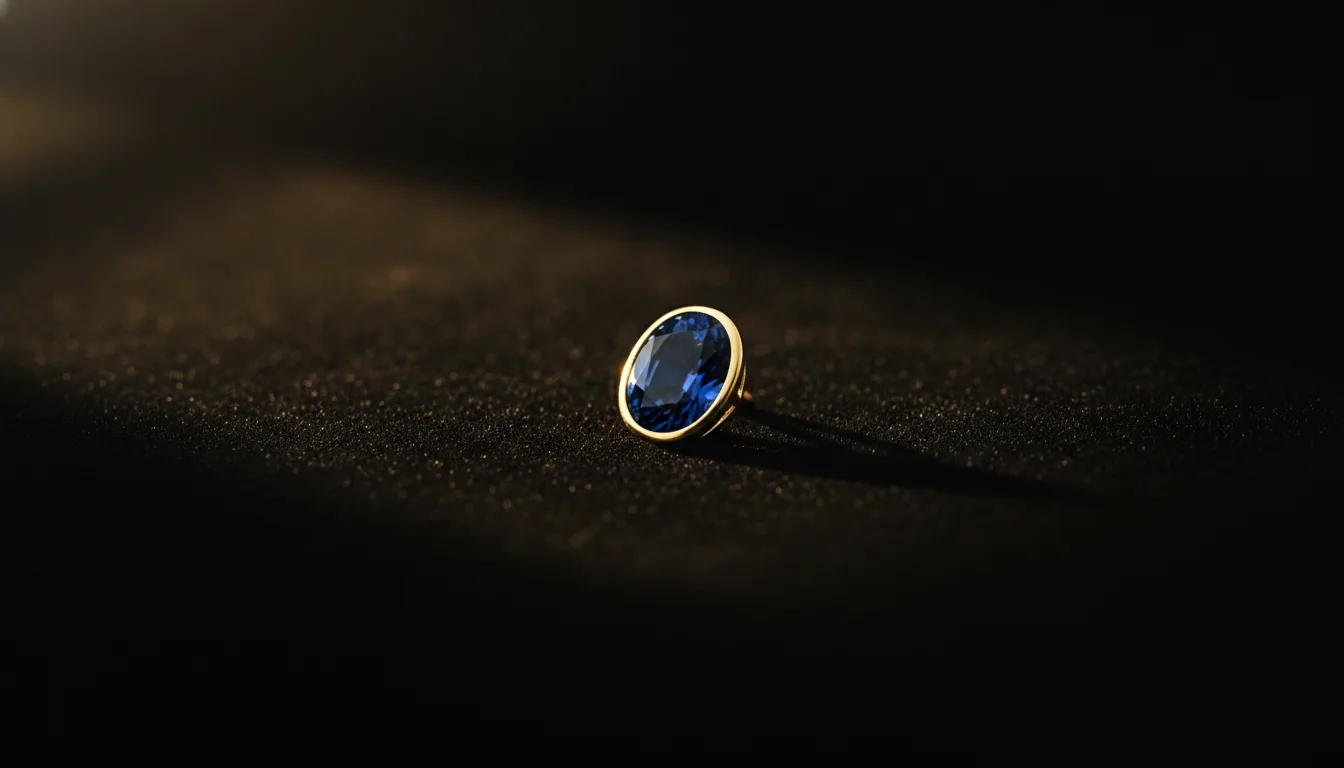
For the 18K gold bezel, use a separate brush. You do not want plush fibers transferring to the gold surface. A dedicated jeweller’s brush keeps the gold crisp. Brush around the bezel in small circular motions.
Do not use water. Ever. Water near the bezel risks migration into the setting, which can loosen the adhesive that holds the gemstone. Water in the plush itself causes matting that cannot be reversed at home.
If something spills on the piece, blot (do not rub) with a dry microfiber cloth. Then stop. A stain that reaches the fabric layer under the plush is a matter for the atelier, not a home-cleaning problem.
Displaying The Piece
Display is where most collectors go wrong. They put the piece on an open shelf in a sunny room and wonder why the color shifts over two years.
The three variables that matter are light, humidity, and air quality.
Light first. Direct sunlight fades dyed fibers. UV accelerates the damage invisibly before you see it. The solution is UV-filtered glass. A display case with UV-rated acrylic or museum glass blocks 97 to 99 percent of the wavelengths that cause fading. If the case is in a room with windows, consider UV window film as a second layer.
Humidity next. The target range is 40 to 55 percent relative humidity. Below 30, plush fibers dry and become brittle. Above 65, mold becomes a risk inside the fabric. A small digital hygrometer inside the case tells you where you stand. A room humidifier or dehumidifier handles the correction.
Air quality matters because cooking smoke, fireplace residue, and cigarette smoke bond to plush fibers and cannot be removed. If you smoke, the piece does not belong in the same room. If you have a wood-burning fireplace, keep the case on the opposite side of the house.
One more detail. Keep the case off the floor. Put it at eye level or above. Dust settles faster near the ground, and vacuum cleaners push dust into the air at floor level.
Insuring The Piece
Your home insurance policy almost certainly does not cover a several-thousand-euro collectible out of the box. Standard contents coverage caps high-value items at a per-item limit that is usually far lower than the piece is worth.
The fix is a scheduled personal property rider. You declare the piece to your insurer, provide the value, and they add it to the policy as a named item. The premium is small. The coverage is full replacement.
Three documents make the rider clean to set up.
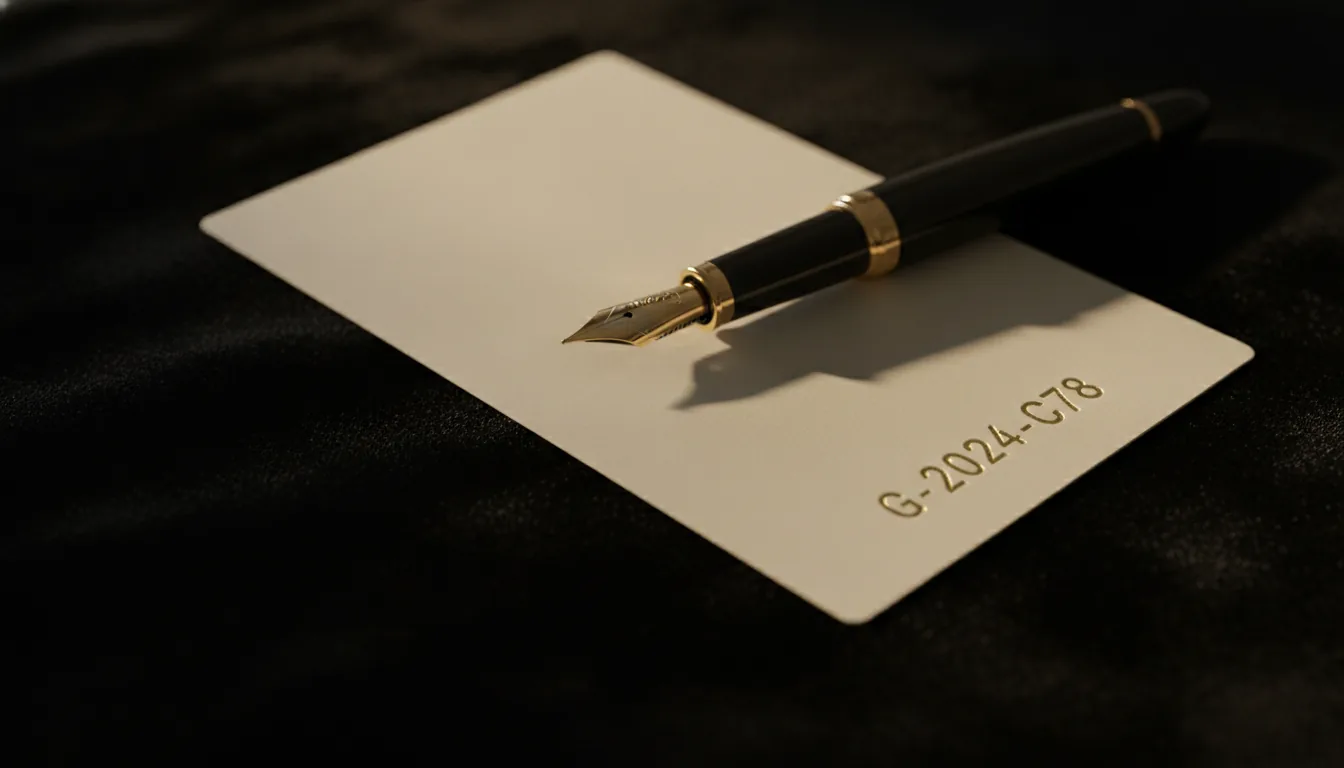
The numbered certificate of authenticity that ships with the piece. This proves the edition level and the piece number, and it carries the unique serial number tied to your piece. Insurers accept this as proof of value for current-market replacement.
Photographs of the piece from multiple angles, including close-ups of the gold bezel, the gems, and the base stamp. Shoot against a neutral background in natural daylight. Store the images in cloud storage, not just on your phone.
A copy of the purchase invoice from Lux Monsters. This ties the certificate number to your name and the price you paid.
Send all three to your insurer. Ask for a rider with agreed value coverage (not actual cash value). Agreed value pays the declared amount on loss. Actual cash value lets the insurer argue for depreciation.
Review the rider every two years. If secondary market prices have moved, update the declared value.
Handling The Piece
Hands carry oils. Oils migrate into plush fibers and onto gold surfaces. Over years, this shows as darkened patches on the plush and dulled areas on the bezel.
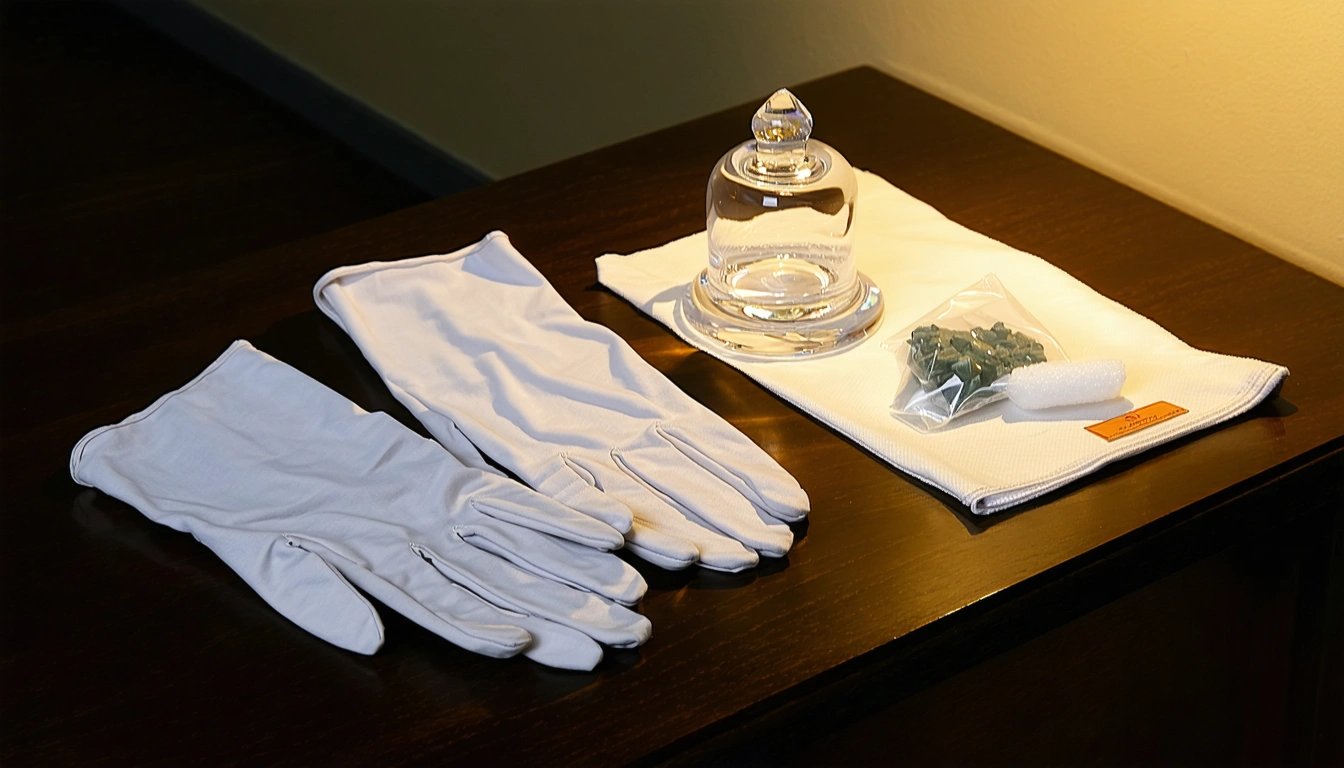
The solution is soft cotton gloves when you move the piece. Jeweller’s gloves work. Museum handling gloves work. Latex and nitrile gloves do not, because they leave residue on polished gold.
Hold the piece under the body, not by the head or the limbs. The plush construction is sturdy, but the gold elements are set with precision adhesives. Lifting by the head puts stress on the bezel mount. Lifting by the torso distributes weight through the body core.
If you are showing the piece to a guest, pass it to them with both hands. Let them receive it with both hands. This sounds formal. It is the same protocol auction houses use for any piece above a few thousand euros.
Never place the piece on a surface you have not inspected. Glass tables with micro-grit scratch the gold. Wooden tables with polish residue transfer onto plush. A clean microfiber cloth between the piece and any surface solves this permanently.
Storing The Piece Between Displays
Some collectors rotate pieces. One on display, others in storage. If you do this, the storage conditions matter as much as the display conditions.
The presentation box that shipped with the piece is the correct storage container. It was designed for this. The interior foam is acid-free and cut to the figure. The closure is gentle enough to not crush the plush over years.
Store the box in a closet or drawer that holds the same 40 to 55 percent humidity target. Avoid basements (too humid) and attics (temperature swings). A bedroom closet on an interior wall is usually the best option in most homes.
Do not stack boxes. The weight compresses the foam over time. Keep each box flat with nothing on top.
Check stored pieces every six months. Open the box. Dry-brush gently. Confirm the humidity in the storage area. Close the box. This ten-minute ritual catches problems early.
Repair Goes Back to the House
Anything beyond dry-brushing goes back to the house. Not to a local tailor. Not to a plush specialist. Not to your jeweller.
The reason is simple. The materials and the construction are specific to the atelier. The plush pattern, the adhesive used for the gemstone settings, the gold alloy in the bezels, the finishing on the base stamp. A repair done outside that system will look correct for a month and then show.
If something happens (a loose gem, a scuff on the gold, a seam opening) email the house with your serial number, your certificate details, and photographs of the issue. The atelier will confirm receipt, arrange insured shipping in both directions, and return the piece restored to original specification.
This service is included for the first three years from the date on your certificate. After that it is available at cost. Either way, the repair record is added to the archive, so future owners see a clean history.
The Small Ritual
Caring for a luxury plush collectible is not complicated. It is a small ritual practiced consistently.
Dry-brush once a month. Check the humidity once a week. Put on gloves when you move the piece. Store it in its box when it is not on display. Insure it properly. Send it back to the atelier for anything real.
Do this and the piece you brought home tonight will still be museum-condition when you decide to pass it on.
That is how Lux Monsters pieces are meant to live. And that is how they are meant to last.