Scarcity Is the New Luxury
Anyone with money can buy a Rolex. A Lux Monsters edition is a small numbered run that closes when it sells out. In 2026, real scarcity is what separates luxury from marketing.

Anyone with money can buy a Rolex. You can walk into a boutique in Geneva, wait a reasonable amount of time, and leave with a Submariner on your wrist. That is not scarcity. That is inventory management.
Luxury used to mean something you could not have. Somewhere along the way, it became something you could have, with a waiting list, in six colours, in every major city. The waiting list is theatre. The scarcity is manufactured. The object is essentially unlimited.
A Lux Monsters edition is a small, fixed, numbered run. Not a small run per country. A small run on the planet. When it is gone, it is gone. No restock. No second run. No quiet reprint in two years when the demand looks interesting.
This is what real scarcity looks like in 2026. And it is becoming the only definition of luxury that still holds.
The problem with modern luxury
Walk through the ground floor of any major luxury house. Count the handbags on the shelves. Count the watches behind the glass. Ask yourself how many of each exist in the world. The answer, almost always, is more than you think.
The industry built itself on a promise of exclusivity and grew into an industry of access. Revenue requires volume. Volume requires production. Production requires that the object, however beautiful, exists in quantities that have nothing to do with the story it tells.
A heritage house can produce two hundred thousand of the same bag in a year and still describe it as rare. The word has lost its weight. The object has lost the thing it was meant to carry.
Real luxury does not scale. That is the definition. If a thing can be produced in quantity, it is a product. If it cannot, it is something else.
What the watch world knew first
Collectors of independent watchmaking understood this before most of the market did. A Philippe Dufour Simplicity exists in numbers you can count on two hands per year. A Rexhep Rexhepi is made in quantities that match the physical limits of a small atelier in Geneva. You do not wait for one of these watches because a brand is pretending to slow down. You wait because the person making it cannot work faster without changing what they are making.
The price of these pieces has moved in ways that tell the story. A watch that sold for fifty thousand at its release trades for a multiple of that a decade later. Not because the brand became famous. Because the object is finite, and the world continues to produce people who understand what finite means.
The same principle governs great wine. A 1961 Haut-Brion is not expensive because of marketing. It is expensive because there is a fixed number of bottles, less every year, and every year the bottles get closer to the last one.
Scarcity that cannot be reversed is the only scarcity that holds value.
The auction test
You can tell the difference between real scarcity and performance scarcity at auction. Real scarcity compounds. Performance scarcity softens the moment the spotlight moves.
A single-owner collection of twentieth century art, tightly edited, ten pieces with clear provenance, will generate bids that outpace the estimates by multiples. A run of five hundred limited edition prints with a celebrity name attached will often struggle to clear the low estimate five years after release. The bidders know. They are paid to know.
The lesson for anyone paying attention is simple. The market has a long memory for artificial limits and a short memory for objects that were briefly fashionable. The only thing that resists that short memory is the thing that was never produced in volume to begin with.
What changed in the last five years
Something shifted in the way a new generation of collectors relates to objects. Part of it is fatigue. When every major brand releases a special edition every month, the idea of special loses its meaning. Part of it is information. A buyer in 2026 can see exactly how many of a thing were made, who owns them, what they paid, and when they sold it. The opacity that used to protect the story is gone.
What replaces it is a taste for the provable. A piece that exists in thirty units, with a ledger of who owns each one, is a harder object to fake. It is also a harder object to buy, which is the point. You cannot wander into it. You have to know it exists. You have to act before the others.
This is the taste that has moved the centre of gravity in the collectible market over the last five years. Away from the mass luxury brand. Toward the small-production house with a name that half of the people in the room have not heard of yet.
What Lux Monsters commits to
Lux Monsters is built on that principle and nothing else. Each edition is a fixed architecture. Every piece is individually numbered, and the size of the run is set by what the house can make by hand, not by a sales target. When a character sells out, it sells out for the edition. The next edition, roughly two months later, is a different set of characters with its own fixed numbers.
No restocks. No anniversary reissues. No second-colour special edition in two years when the moment looks right. The ledger closes when the ledger closes.
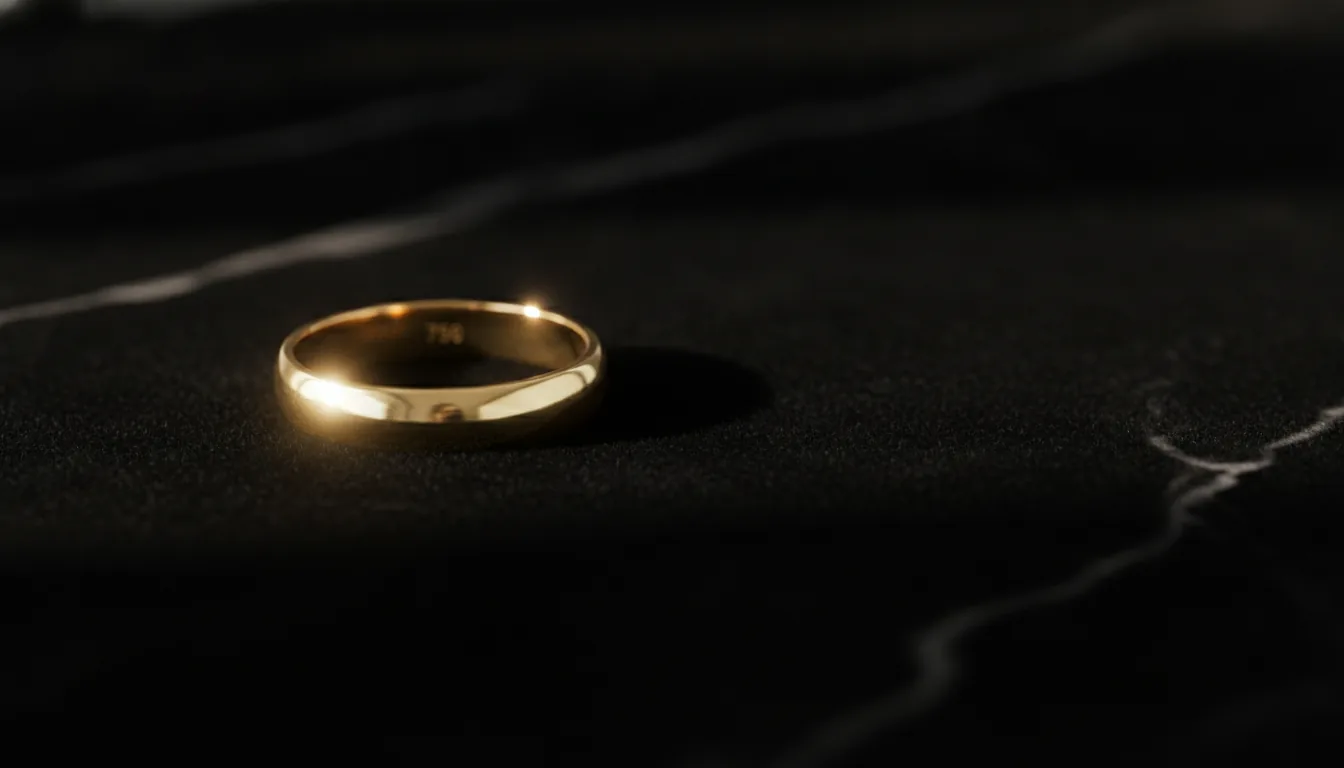
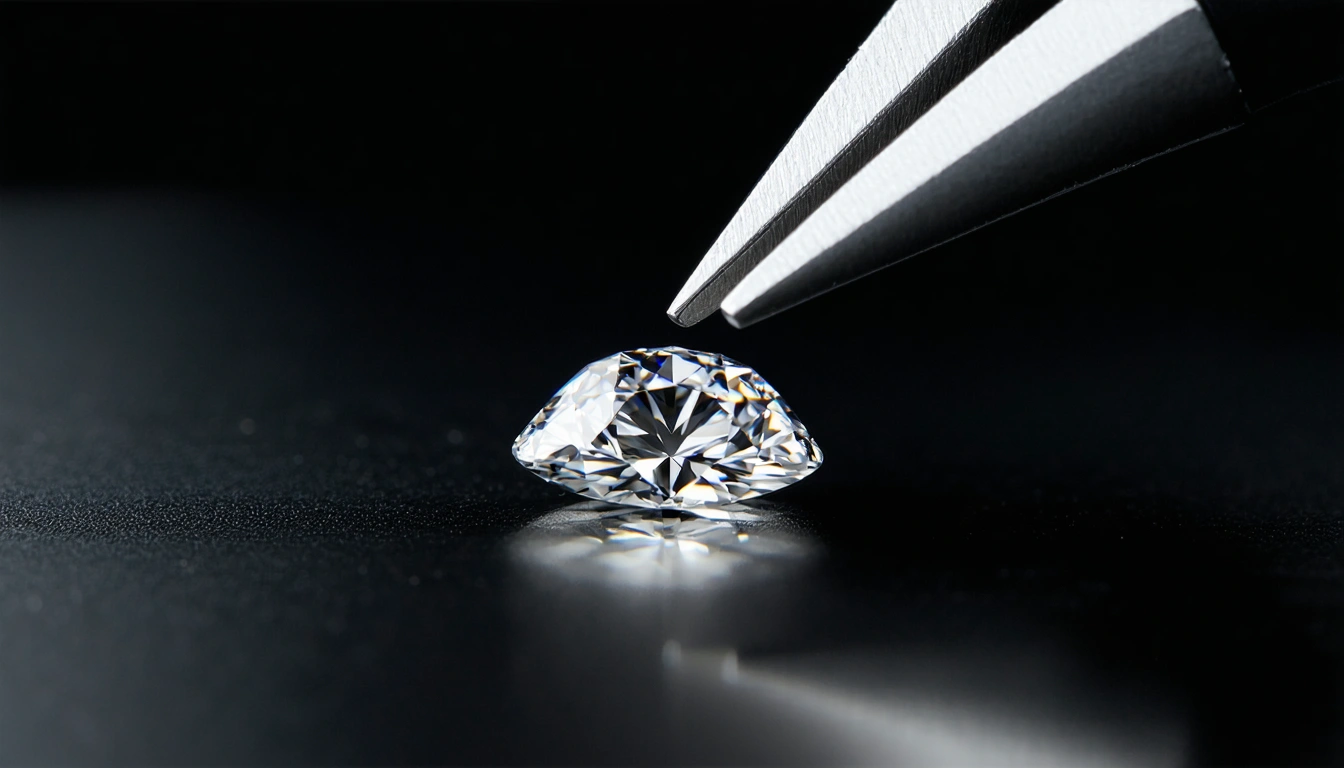
The 18K gold settings are real. The diamonds on CaratCry are real. The rubies on RubyRuin are real. The sapphires on Mint Slime are real. You can have the stones tested. The gold is hallmarked. The run is small, numbered, and closed.
The cultural shift
There is a reason the most interesting conversations about luxury in 2026 are not happening on the flagship shopping streets of the big houses. They are happening in small collector groups, in private WhatsApp threads, in the back rooms of auction houses during viewing week. The people with the most refined taste have quietly moved on from the word luxury as the big houses use it. They are buying the things that were made in small numbers, by hand, by someone who could not make more if they wanted to.
The culture has grown past the idea that a name on a box is enough. The culture wants a story the number can prove.
Why the number stays small
There is a reason the house keeps each edition small rather than large. A run of a few would be a stunt. A run of hundreds would be retail. The house settles on the size at which the work can be made with care, the ledger can be maintained by hand, and every owner can be known by the house if the house chooses to know them.
It is also a size at which the secondary market behaves the way a real collector market behaves. Small enough that a single well-placed piece can move a price. Large enough that the piece trades at all. The market has its own rules about liquidity and depth. A small, closed edition respects those rules.
A new edition roughly every two months means a house built at a pace a small team can hold without cutting corners. The rhythm was chosen before the product was designed. That is usually the case with work that lasts.
The quiet definition
If you ask a dealer in Geneva what makes a piece truly rare, the answer is rarely about craftsmanship. Craftsmanship is assumed at a certain level. The answer is about the count. A piece is rare when the count is known, small, and closed.
Lux Monsters takes that definition and places it at the centre of the house. A small numbered edition. A new edition roughly every two months. A ledger that closes cleanly and never reopens. That is the rule.
You do not need to be the person who owns the most. You need to be the person who owns one of a few. In 2026, that is the only kind of ownership that still means what the old word used to mean.