Mass-Produced vs Jewellery-Grade Collectibles
Vinyl figures and gold-and-gemstone collectibles both sit in the same display case. Only one holds its value once the hype fades.
A designer toy made from vinyl costs a few dollars to produce and sells for anywhere from twenty to a few hundred. A jewelry grade collectible figurine can carry solid 18K gold and natural gemstones, and sell for thousands. The question worth asking before you spend either amount is not which one looks better on a shelf. It is what you are actually paying for, and whether that thing holds up over time.
What “mass-produced” actually means here
Most of the designer toy market runs on injection-molded vinyl or PVC. A single mold can strike thousands of identical units, and the economics only work at that scale. The industry’s own trade bodies describe this market as one of the fastest-growing categories in collectibles, and volume is the entire point. A brand needs a hit character and a factory that can turn it out by the container load.
None of that is a criticism. Vinyl figures are honest about what they are. The price reflects a plastic object, a paint job, and a marketing campaign. Scarcity, when it exists at all, is usually artificial. A “limited” run of ten thousand units is still ten thousand units.
The tell is in the materials list. If a figure is described only by its finish, colorway, or exclusive packaging, it is a manufactured object, not a jewelry grade one. There is no gold assay result to check because none of the metal is gold.
Where the cost actually goes on a jewelry grade piece
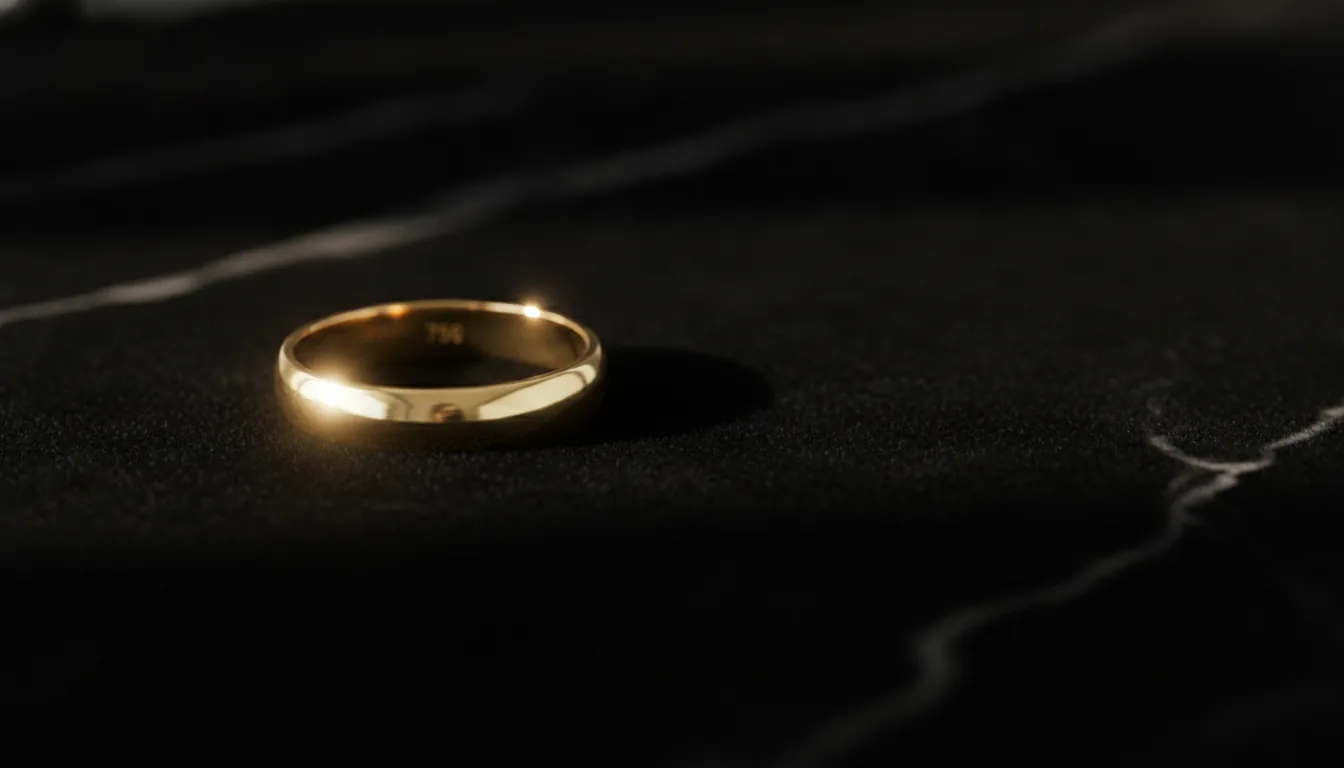
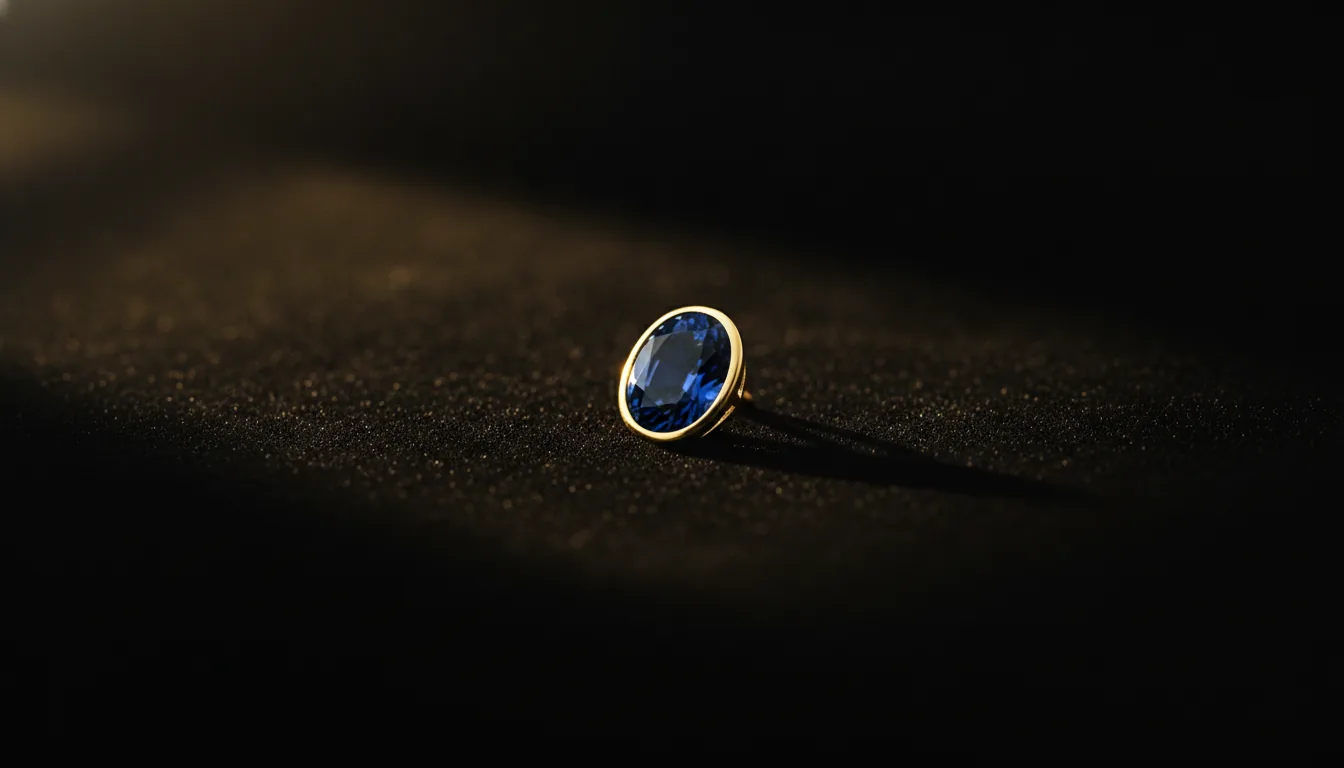
A jewelry grade collectible starts from a different set of inputs. The body is not injection molded, it is soft-sculpted and hand-finished, which means a person, not a mold, shapes and sews it. The fittings are not painted metal-look plastic, they are solid 18K gold settings, cast and hallmarked the same way a fine jewelry house would handle a ring or a pendant. The stones set into those fittings are natural diamonds, rubies, and sapphires, graded and sourced the way any gem buyer would expect.
Every one of those steps costs real money because it cannot be automated away. Gold is priced by weight against a global market that moves daily. Natural stones are graded and priced individually, no two are quite the same, which is one reason serious buyers study gem quality before committing to a piece, not after. Hand finishing takes the hours it takes. None of that scales the way a mold does, and that is exactly why it does not get cheaper at volume.
This is the actual dividing line between the two markets. It is not branding, and it is not price alone. It is whether the object contains materials with an intrinsic value that exists independent of the collectible market itself. A vinyl figure is worth what a buyer will pay for it. A gram of 18K gold is worth what the gold market says it is worth, on any day, in any country, regardless of whether anyone still wants the character on top of it.
Closed editions versus open production runs
Scale and scarcity pull in opposite directions, and a maker has to pick one. A mass-market designer toy brand wants every fan who wants one to be able to buy one, eventually, because the business model is unit volume. Ultra luxury designer toys work the other way. A small, closed edition means the number of pieces is fixed at the outset and never reopened, the way a watch house limits a complication to a stated run and stops.
This is not a marketing trick when the materials force it anyway. A hand-finished body set with individually graded natural stones cannot be produced at vinyl-figure speed no matter how much demand shows up. The scarcity is a consequence of the process, not a number picked to create urgency, and that distinction is worth understanding before buying into any claim of exclusivity, as the broader case for scarcity as a genuine luxury signal lays out.
Individually numbered pieces, numbered rather than named or dated, are the practical expression of this. A buyer knows their piece sits within a defined, non-reopened production, without the maker needing to publish a total count for that fact to mean something.
How to actually tell the two apart when you are looking at one
Materials claims are cheap to make and expensive to verify, which is why the real test is documentation, not description. A jewelry grade piece should come with a signed certificate of authenticity that states the exact specification of that individual piece and carries a unique serial number tying the paper to the object. That certificate is the whole authentication method, and a maker unwilling to provide one is telling you something.
Language matters too. “Gold-plated” and “solid gold” describe two different objects at two different price points, and the difference is not always obvious from a photograph. Reading up on how to tell 18K gold from gold plating before buying anything described as gold is worth the ten minutes, regardless of which maker you end up buying from.
Weight is a rough but honest signal on top of paperwork. Solid gold fittings have real mass. A piece that feels weightless despite gold claims in its description is worth a second look before a purchase, not after.
Does the material actually protect resale value
A vinyl figure’s resale value depends entirely on cultural memory. If the character stays desirable, secondary prices can spike well above retail. If interest moves on, and it usually does, that same figure can become difficult to sell for even its original price. The value lives entirely in demand for the image, and demand for images is notoriously short-lived.
A jewelry grade piece carries a floor that vinyl cannot. Even if the character itself falls out of fashion, the gold and stones retain independent value, tracked against commodity and gem markets rather than collector sentiment alone. That does not make every gold-and-gemstone collectible a good investment. It means the downside is bounded by something other than taste, which is a meaningfully different risk profile from a plastic object with no material floor underneath it.
Lux Monsters sits in this second category by design, and the reason its pieces carry the specification they do, down to the gold and the individual gem grading, comes down to wanting that floor to exist rather than relying on a character staying popular. That is a deliberate choice, not the only valid one.
What this actually comes down to
Both markets can produce objects worth owning. The honest question is not which one is more luxurious, it is what you are actually buying: an image cast in plastic, or a small number of materials with value that exists whether or not the character does. Knowing which one is in your hands changes what you should expect it to be worth in ten years, and that is worth knowing before the purchase, not after.