What a Certificate of Authenticity Should Include
Most certificates of authenticity are a logo on cardstock. A real one names the maker, the materials, and a serial number you can trace.
What should a certificate of authenticity actually say? Not “genuine,” not “premium,” not a signature that could belong to anyone. A real certificate names the maker. It states the exact materials, with numbers, not adjectives. It carries a serial number that connects to a record someone else can check. And it is signed by an identifiable party, not a generic stamp. If a certificate is missing any of those four things, it is packaging, not proof.
Why a Printed Logo Is Not a Certificate
Walk through any collectible market and you will find the same piece of paper again and again. A logo, a thank-you line, sometimes a gold foil border, and the word “authentic” somewhere on it. It looks official. It costs the seller almost nothing to produce, and it proves almost nothing about the object in your hands.
A certificate like that is a marketing asset, not a record. It was designed by the same team that designed the packaging, and it answers a different question than the one a collector actually has. The question is not “does this brand exist.” It is “can I confirm, independently, that this specific object is what the seller says it is.” A logo cannot answer that. Only specifics can.
This matters most at the moment you least expect to need it: years later, when you want to sell, insure, or simply confirm what you own. A certificate that only ever needed to look good in a box at unboxing was never built for that moment.
Name the Maker, Specifically
A trustworthy certificate identifies who stands behind the piece, in terms specific enough to check. That does not always mean a personal name. A house can operate under a brand and still be accountable, as long as the certificate states where the piece was made, who holds responsibility for the materials claims on it, and how a buyer can reach that party later.
Lux Monsters is a useful example of the boundary here. The house is led by a private dealer who does not appear by name, biography, or portrait anywhere, by design. But the certificate still names the house itself, states the piece was made in Thailand with final gold work completed between Bangkok and Hong Kong, and is signed in a way that can be checked against the house’s own record. Privacy about a person and specificity about a maker are not the same thing. A certificate can hold both.
If a certificate names only a brand, with no country of manufacture and no accountable entity behind the signature, treat that as a gap, not a formality.
Materials, Written as Numbers, Not Adjectives
“Premium materials” is not a specification. “Fine gold” is not a specification. A certificate worth trusting states metal purity as a number, gemstone type by name, and whether a stone is natural or lab-created. For a piece with gold settings, that means stating the karat, such as 18K, rather than a vaguer claim about gold content. The difference between 18K and lower purities, or between solid and plated, is exactly the kind of detail that separates a certificate from an advertisement, a distinction explored in more depth in why 18K gold is specified instead of 24K.
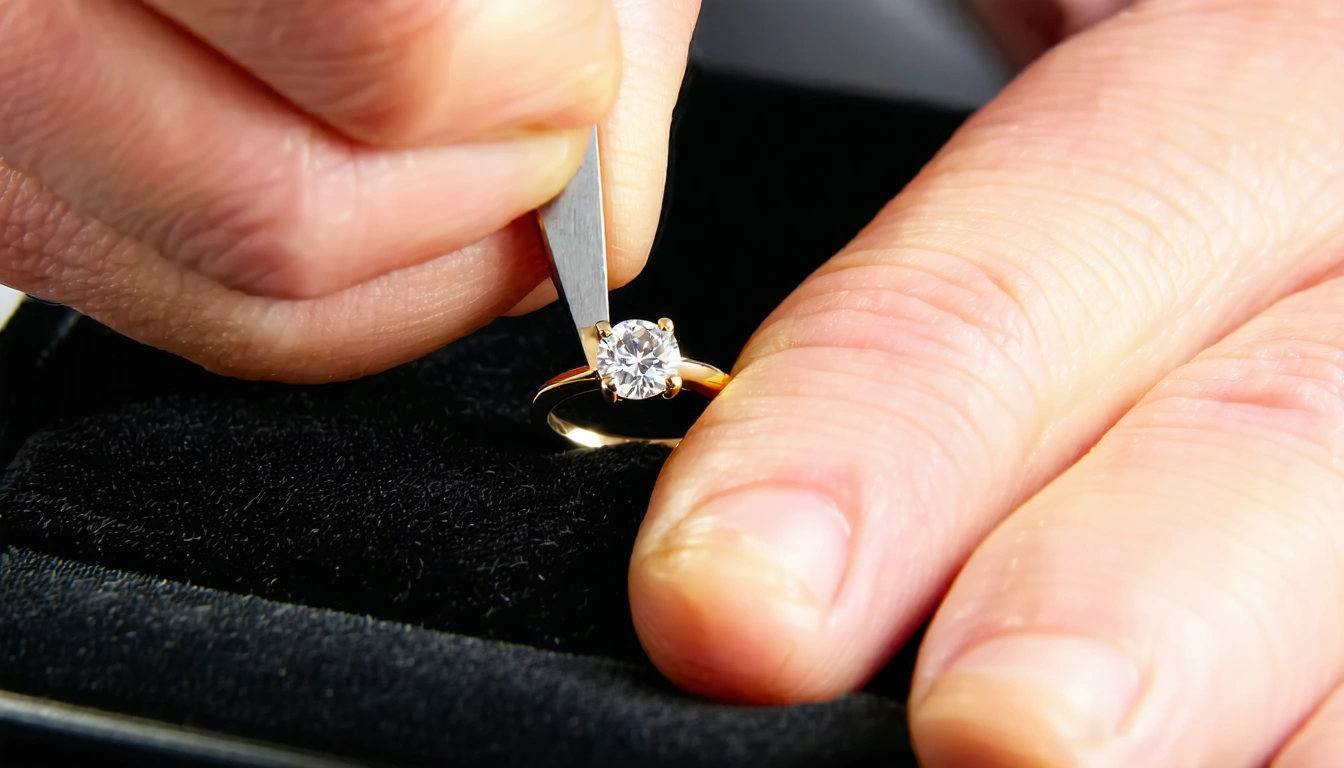
The same logic applies to stones. “Diamonds” is a start. Natural versus lab-created, and some indication of cut or clarity grade, is what turns a claim into something a jeweler could later confirm. Collectors who want the fuller picture on how gem quality is actually assessed and disclosed should read how gem quality is evaluated for collectors.
Fabric, wood, resin, whatever the base material is, deserves the same treatment. Composition, not description. A certificate that says “luxury fabric” is telling you nothing you could not have guessed by looking at the object.
A Serial Number That Actually Connects to Something
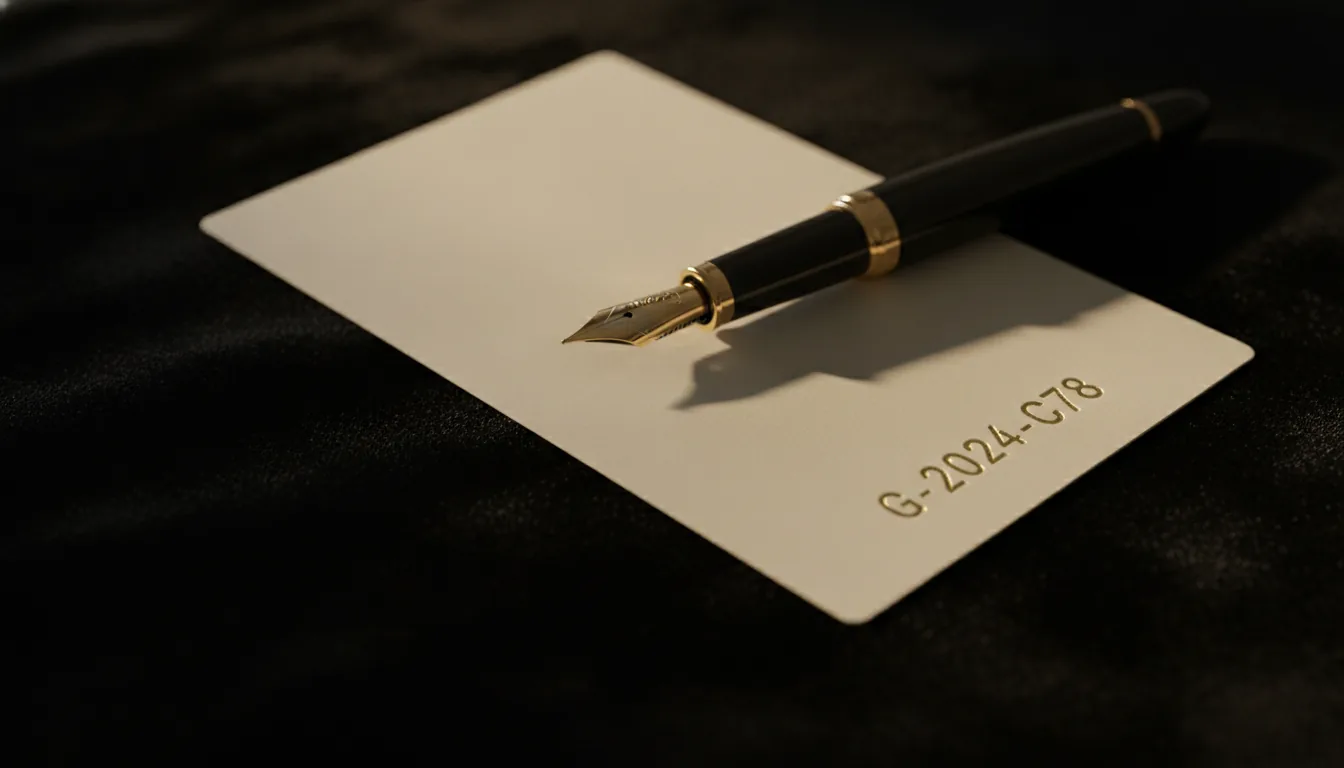
Individual numbering only means something if it ties to a record the maker keeps and can produce. A number stamped or printed on a certificate, with nothing behind it, is decoration. A number that corresponds to an internal ledger, showing when that specific piece was made and issued, is provenance.
This is also where edition size matters, though rarely in the way buyers expect. A maker does not need to publish exact production numbers to be honest. What matters is whether the piece is described accurately as part of a small, closed edition, and whether that specific unit’s number can be confirmed against a real record rather than taken on faith. A certificate should let you check your object’s serial number against the issuing house directly, the same way you would confirm any other numbered asset. That is worth doing before you buy secondhand, not after.
A Signature You Can Trace, Not Just Admire
A signature on a certificate should function like a signature on a legal document: identifiable, consistent across pieces from the same maker, and checkable if a dispute ever arises. It should not be an illegible flourish chosen because it looks expensive.
In practice, this means the same signature should appear across every certificate the house issues, and the house should be able to confirm, on request, that a given signature and serial number pair is genuinely theirs. That confirmation is the actual authentication event. Everything else on the certificate, the materials list, the maker’s name, the numbering, is context that makes the signature worth trusting in the first place.
What To Do When a Certificate Falls Short
If you are holding a certificate that fails one of these tests, you have options before you write off the purchase. Ask the seller, in writing, for the exact material specification the certificate is missing. Ask whether the serial number can be checked against a source outside the certificate itself. Compare the signature against other certificates from the same maker if any are publicly available.
None of this is about assuming bad faith. Most gaps in certificates come from makers who never thought through what a certificate is for, not from an intent to deceive. But the gap still matters, because a certificate’s job is to hold value when memory and goodwill are not enough, at resale, at appraisal, at the moment a piece changes hands for the second or third time.
A certificate is only as good as what stands behind it. The paper itself proves nothing. What proves something is a name that can be reached, materials stated as facts instead of adjectives, a number tied to a real record, and a signature someone is willing to stand behind years after the sale.