The Luxury Answer to Labubu
Labubu opened the category. Pop Mart proved the demand. Lux Monsters answers the question of what comes next at the top.
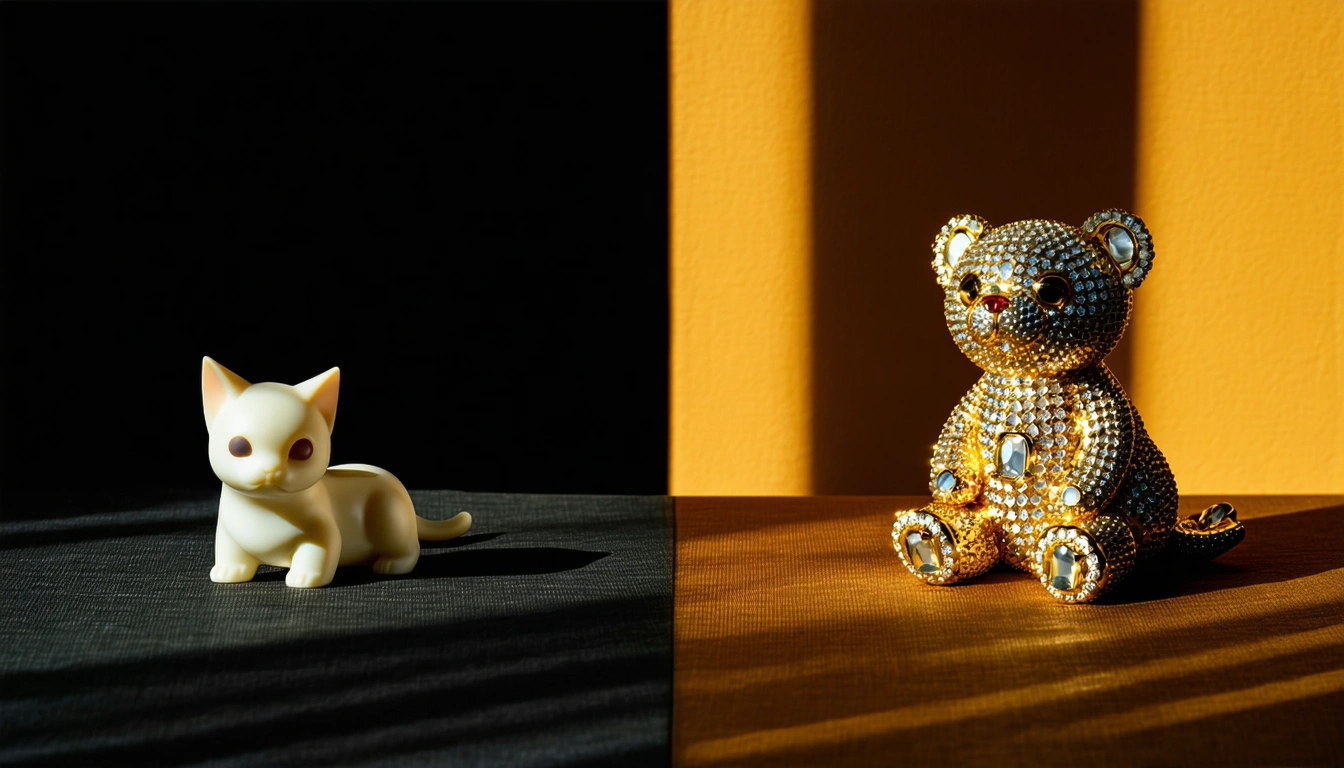
Labubu changed the shape of the designer toy market. What was a subculture became a mainstream obsession, and Pop Mart turned a fanged little monster into one of the most recognised collectible figures of the decade. That work deserves credit. It also raises a question that the market has not yet answered. What does a collector buy when the appetite is there but mass production no longer satisfies it.
The category opened wide
Pop Mart reported EUR 677 million from The Monsters series in the first half of 2025 alone. Labubu carried most of that weight. Blind boxes sold out within minutes. Resale prices moved in ways usually reserved for sneakers and watches. Celebrities carried the figures on handbags. Children recognised the silhouette from across a room.
The designer toy market as a whole is projected to cross 15 billion dollars by 2026. That is a category, not a trend. Ten years ago the same market was a sliver of what KAWS, Medicom, and a handful of Tokyo and Los Angeles studios kept alive. Pop Mart widened the door until almost anyone could walk through.
When a category grows that fast, the top of the market changes too. Collectors who started with a single Labubu blind box often ended up with shelves of them. Then the shelves filled. Then the question arrived on its own. What comes after.
The ceiling of mass production
Pop Mart understood this question early. The company launched POPOP, a jewellery line pitched at collectors who wanted to wear the characters rather than display them. The pieces run from roughly 50 dollars to 385 dollars. Sterling silver. Cubic zirconia. A smart commercial move for the brand and an easy entry point for fans.
It is not a luxury product. It was never designed to be. Cubic zirconia is not a diamond. Sterling silver is not 18 karat gold. The price point signals the category. Mass jewellery built on a mass collectible.
That is the structural ceiling of any mass-market collectible. You can scale it. You can price it up a tier. You can release a chrome edition or a crystal edition or a gold-plated edition. You cannot suddenly make it rare. The piece was designed for distribution, and distribution is a one-way street.
A collector whose taste has moved past that point recognises the feeling immediately. You are no longer looking for the newest drop. You are looking for the one that will not be replaced.
What the top of the market actually wants
Talk to collectors at the upper end of any category, whether watches or furniture or art, and you hear the same vocabulary. Provenance. Materials. Edition size. Craftsmanship you can feel in the hand. A story that holds up in ten years, not ten weeks.
KAWS figures sit in that conversation because the sculptures move through galleries and auction houses. A Companion can sell anywhere from 500 dollars for a small accessible piece to tens of thousands at the rare end. The material is usually vinyl, occasionally bronze. BE@RBRICK does something similar with Medicom, topping out around 10,000 dollars for collaborations with fashion houses and artists. Still vinyl. Still mass-produced within a defined run.
Both tiers have been essential to the category. They also leave a gap. Collectors who already own a KAWS bronze or a Chrome Hearts BE@RBRICK ask the same question Lux Monsters exists to answer. Where is the version built from the same materials as the watch on my wrist or the ring on my hand.
The answer used to be nowhere. Designer toys lived in vinyl. Luxury goods lived in gold and gems. The two categories did not overlap. A collector who wanted both had to choose.
Why the upgrade path was missing
The absence was not an oversight. It was a production problem.
To produce a collectible in 18 karat gold with real gemstones, you need jewellery-grade craftsmanship. You need an atelier that understands casting, setting, polishing, hallmarking. You need suppliers for natural stones. You need quality control that would embarrass most toy factories. You need a price point that scares off anyone trying to run it as volume.
Mass collectible companies are not built for that work. Jewellery houses are not built for character design. The two disciplines live on different sides of the industry, with different timelines, different margins, and different creative traditions.
Lux Monsters was built in the overlap. The atelier works the way a fine jewellery house works. The character work draws from the same instinct that made designer toys a category in the first place. Nothing in that combination is easy to execute. That is precisely why it stayed empty for so long.
What Lux Monsters actually is
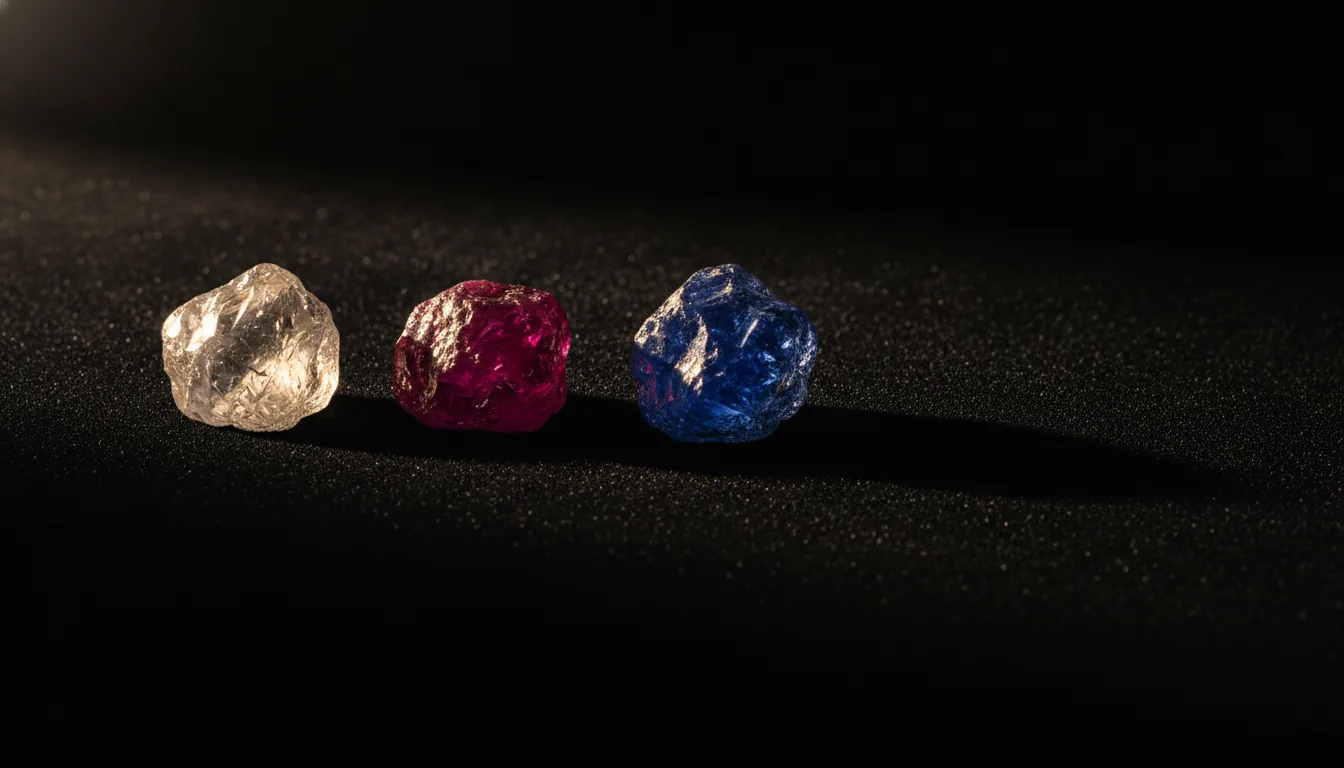
Edition 01 is a numbered, limited edition of hand-finished figures. Each has a soft-sculpted body in premium faux fur and solid 18K gold, and the pieces that carry stones are set with natural diamonds, rubies, or sapphires. The exact materials for each piece are listed on its certificate.
The economics are honest about their own limits. Final edition sizes are set by what the house can actually finish, not by a marketing number, so no fixed count is quoted. At launch, the €1,500 editions are the ones you can buy directly. Higher editions and the €4,500 flagship are offered by private request. When the edition closes, it does not come back.
The pricing is intentional. It sits above the mass collectible market, including every POPOP jewellery piece and every standard BE@RBRICK or Labubu drop. It sits below the art-gallery KAWS tier, where a single sculpture can cross 50,000 dollars. It occupies the space where fine jewellery overlaps with collectible character work, which until now has had no native residents.
This is not a Labubu takedown
A collector who loves Labubu should keep loving Labubu. The character did something generational. It pulled millions of people into the designer toy conversation, many of whom had never bought a figure before. That cultural work is real, and it is the reason this category has a top tier at all.
Lux Monsters exists because of what Labubu did, not in opposition to it. The same collector who bought a full Labubu set two years ago is often the collector asking now for something made from different materials. The question is not whether Labubu is good. The question is what you buy next, when the shelf is already full.
That is where the brand sits. Not as a replacement. As the next step.
The collector whose taste outgrew mass production
You can feel this shift inside any category that has matured. Sneaker collectors who once queued for every Yeezy drop end up buying one pair of bespoke loafers from a single small workshop. Watch collectors who started with Seiko end up with a single independent piece from a maker whose name the casual public does not know. The pattern is always the same. Volume to edition. Edition to one-of-one. Marketing to craft.
Designer toys have followed that same arc at every previous tier. From a vinyl drop to a gallery sculpture. From a gallery sculpture to a commissioned bronze. What was missing was the jewellery-tier answer. A character figure that sits on a dresser the way a watch sits in a box. Something you could pass down rather than resell.
If you are the collector who bought a Labubu because you loved the face, kept buying until the shelves were full, and then started asking what else exists, Lux Monsters is the answer.
The shelf test
There is a quiet test every serious collector eventually applies. You look at a shelf of 20 pieces and ask which one, if the house were on fire, you would actually carry out. Most of the time, the answer surprises you. The piece you grab is not the one you paid the most for. It is the one that feels singular in your hand.
The mass-market collectible is usually not that piece. It was never meant to be. It was built to be loved by many people at once, and that is a different job. A 1,500 euro character figure in 18 karat gold with a real ruby in the bezel is built for a different test. Not to be loved by many. To be held for a long time by one person.
That is the product. That is the category. That is why the gap existed, and why it no longer does.
Materials change how an object ages
A vinyl figure ages in a specific way. The paint can chip. The plastic can yellow under direct light. None of that is a flaw of the format. It is the nature of the material, chosen because it is cheap, repeatable, and easy to mould. A 60 dollar figure is not expected to outlive the collector.
Gold and gemstones age differently. Gold holds its colour across generations. A well-set ruby holds its clarity. A diamond does not chip under normal handling. Every Lux Monster is finished to hallmark standard, the same benchmark used by any serious fine jewellery house. The 18 karat gold is hallmarked, its final gold work and hallmark completed between Bangkok and Hong Kong. That hallmark is the quiet promise that the object can be held for decades.
A collector who starts to think about their figures the way they think about a watch begins to notice the material. Once you notice it, you cannot unnotice it. The question of which object you keep becomes a question of which object was built to be kept.
Why the craft matters
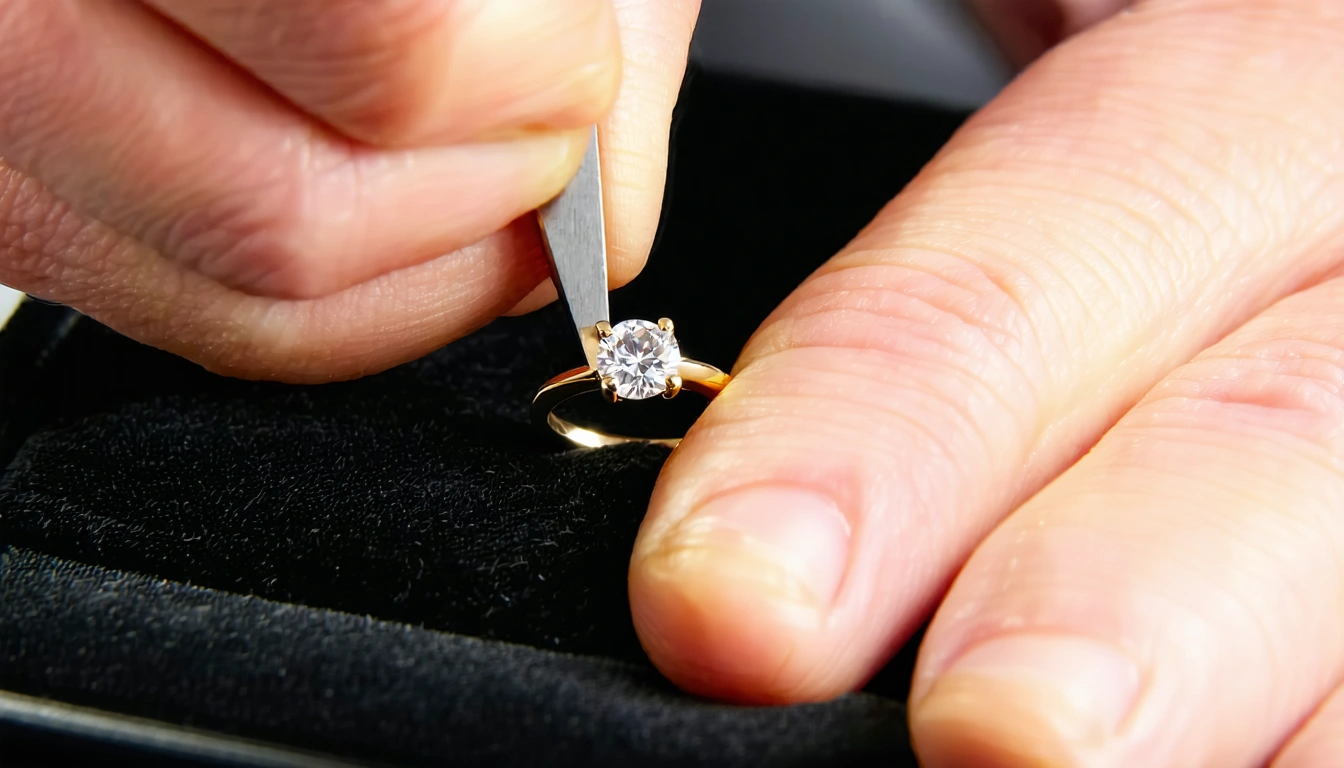
Fine jewellery lives or dies on the hands that make it. Casting. Stone setting. Hand finishing. Hallmarking. None of it can be faked at the price, and none of it survives being rushed.
Lux Monsters is made in Thailand, with the 18 karat gold crafted by a Thai goldsmith and final assembly in Bangkok. The final gold work and the official hallmark are completed between Bangkok and Hong Kong. Every piece in an edition is finished to the same standard, by the same jewellery-grade work a serious fine house would recognise. When one edition closes, the next opens. The pace is set by the craft, not by the marketing calendar.
Where to start
Edition 01 is a numbered, limited edition. When it closes, it does not come back. At launch, the €1,500 editions are available directly; the higher editions and the flagship are by private request.
If this sounds like where your taste has moved, the collection is waiting.